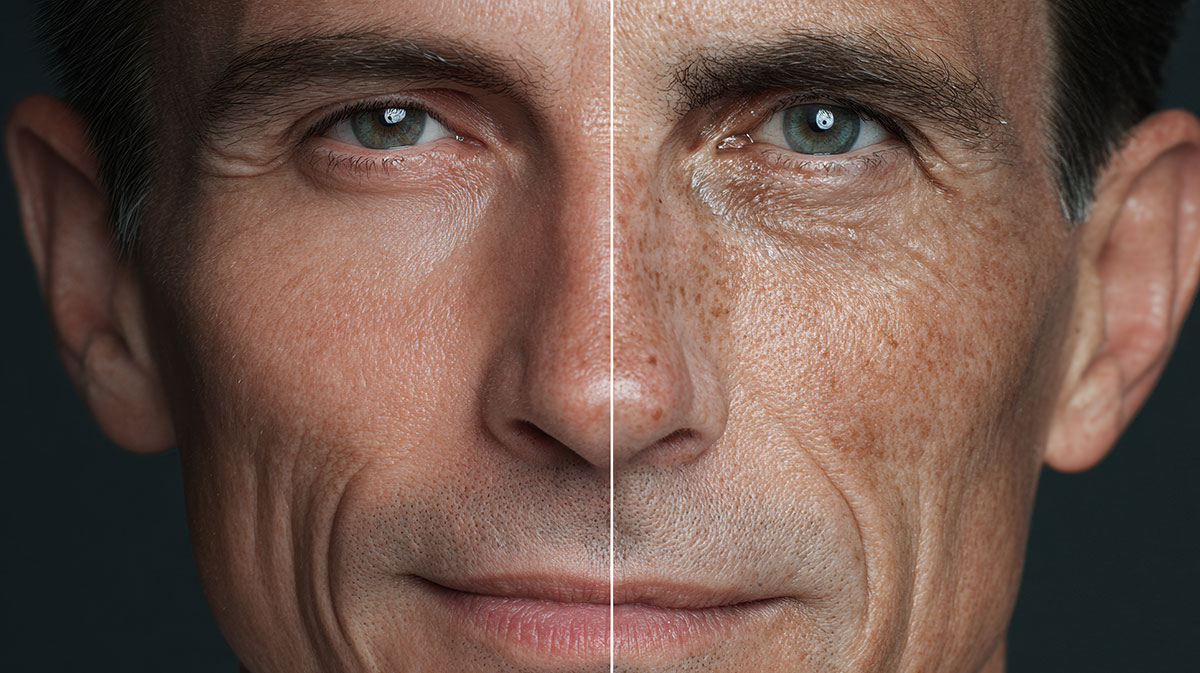
The anti-aging space is one of the fastest-evolving industries in modern medicine, and also one of the most misunderstood.
Every year, there is a new “breakthrough.” A new injectable. A new protocol. A new therapy that promises to turn back the clock. Patients come in asking about whatever is trending at the moment, often expecting a single intervention to solve a complex, long-term problem.
That is where things start to go wrong.
The reality is that most anti-aging treatments fail over the long term, not because they do not work in the short term, but because they are applied without a system behind them.
The Problem With Chasing Trends
Aesthetic and regenerative medicine tends to move in cycles. One procedure gains traction, becomes widely adopted, and then is gradually replaced by the next “better” option.
You see this with everything from injectables to regenerative therapies to hormone protocols.
The issue is not innovation. Innovation is necessary. The issue is that most people approach these treatments reactively. They chase what is new rather than understanding what is foundational.
When you build your strategy around trends, you end up constantly restarting. There is no continuity, no long-term plan, and no measurable progression.
Short-term improvements may occur, but they rarely compound.
Aging Is Not a Single-Variable Problem
One of the biggest misconceptions is that aging can be addressed through a single pathway.
It cannot.
Aging is the result of multiple systems gradually declining or becoming dysregulated over time. Hormonal shifts, inflammation, metabolic health, musculoskeletal degradation, and cellular repair mechanisms all play a role.
If you only address one piece of that system, the others continue to move in the wrong direction.
This is why someone can invest heavily in aesthetic procedures yet still feel low energy, struggle with body composition, or experience declining performance.
You cannot out-treat a system that is out of balance.
Why Short-Term Results Are Misleading
Many treatments in the anti-aging space produce noticeable short-term results. Skin looks better. Energy improves temporarily. Recovery feels enhanced.
These changes create the perception that progress is being made.
However, without addressing underlying physiology, those results are often transient. The body returns to its baseline state because nothing fundamental has changed.
In some cases, repeated short-term interventions without a broader strategy can actually create dependency. Instead of building internal capacity, you are constantly relying on external inputs to maintain results.
That is not optimization. That is maintenance at best.
The Foundation Most People Skip
The individuals who get the best long-term outcomes approach anti-aging differently. They focus on building a foundation first, and layering advanced treatments on top of that foundation, not the other way around.
That foundation starts with hormonal optimization. If your hormones are not functioning properly, everything else becomes less effective. Energy, recovery, cognitive function, and body composition are all influenced by this.
From there, you need structured strength training. Muscle is not just about aesthetics. It is a critical component of metabolic health, insulin sensitivity, and longevity.
Recovery must be addressed as well. Sleep quality, stress management, and nervous system regulation are not optional. They directly impact how your body repairs and adapts.
Nutrition supports all of it. Without adequate fuel and the right balance of nutrients, you limit your ability to improve at the cellular level.
These are not exciting concepts. They do not trend on social media. But they are what determine whether anything else you do will actually work.
Where Advanced Treatments Actually Fit
Once a strong foundation is in place, advanced therapies become significantly more effective.
Treatments like PRP, PRFM, peptide therapy, and hormone optimization protocols can enhance recovery, improve tissue quality, and support performance. But they are not substitutes for the fundamentals.
They are amplifiers.
When used correctly, these tools can help you stay ahead of the aging curve rather than constantly reacting to it. They allow for refinement, not correction.
The key is knowing when and how to apply them. That requires staying current with emerging research and understanding how new treatments integrate into an existing system.
The Importance of Staying Educated
This space evolves quickly, and if you are not actively learning, you will fall behind.
What was considered cutting-edge five years ago may already be outdated. At the same time, not every new development is worth adopting immediately.
You need the ability to filter information, evaluate evidence, and make decisions based on long-term outcomes rather than short-term excitement.
That responsibility falls on both the provider and the patient.
If you are relying entirely on trends or marketing, you are not making informed decisions.
A Long-Term Strategy Wins Every Time
The men who succeed in this space are the ones who shift their mindset from intervention to strategy.
They stop looking for quick fixes and start building systems that support long-term performance. They track data. They make adjustments. They stay consistent.
Over time, those small, intentional decisions compound.
Energy improves. Strength is maintained. Recovery becomes more efficient. Physical appearance reflects internal health rather than temporary correction.
Most importantly, they remain in control of the process instead of reacting to it.
Staying Ahead Requires Intentional Action
Anti-aging is not about reversing time. It is about maintaining function, performance, and quality of life at the highest level possible for as long as possible.
That requires discipline. It requires structure. It requires a willingness to invest in the fundamentals even when they are not exciting.
The treatments themselves are not the solution.
The system you build around them is.
If you focus on that, you do not just slow down aging.
You stay ahead of it.